
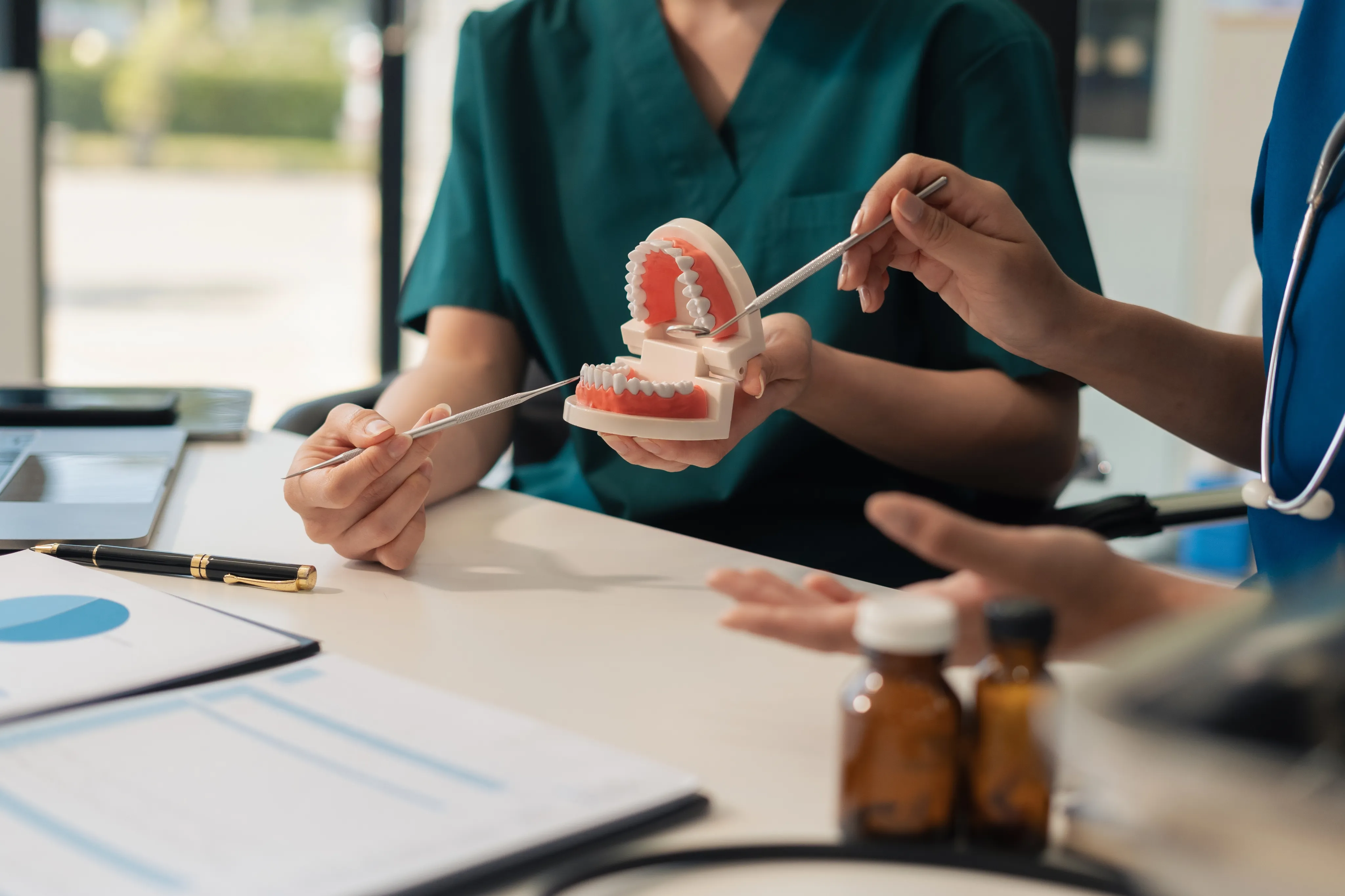
Periodontal maintenance in Memphis, Tennessee, focuses on controlling gum disease after initial treatment and protecting the bone and tissues that support your teeth. At our office, visits with Dr. Jeffrey J. Ryu emphasize monitoring periodontal pockets, disrupting harmful bacteria, and supporting long-term oral health between cleanings at home.
Periodontal Maintenance Explained
Periodontal maintenance is a structured follow-up schedule for patients with a history of gum disease. It is different from a routine dental cleaning because it targets deep areas below the gumline where disease-causing bacteria collect. The goal is to prevent recurrence, stabilize gum attachment, and reduce the risk of tooth loss.
These visits typically follow scaling and root planing or other periodontal therapy. They include careful assessment, thorough removal of bacterial biofilm and tartar, and personalized home care guidance. Patients often ask what is periodontal maintenance and how it differs from regular care—think of it as ongoing disease control for the gums and bone, not just a polish of the teeth.
Benefits of Periodontal Maintenance
- Helps control inflammation and bleeding by disrupting bacterial biofilm regularly.
- Reduces the risk of disease relapse and future deep cleanings or surgery.
- Protects the jawbone that supports teeth, lowering the chance of tooth loss.
- Monitors periodontal pockets so changes are caught early and managed promptly.
- Improves breath and gum comfort by removing plaque and hardened tartar.
- Supports overall health, as healthy gums are linked to better systemic wellness.
How Periodontal Maintenance Works
Each visit follows a structured approach designed to manage gum disease over time. While plans are individualized, you can expect:
- Medical and dental review to note any health changes that affect your gums.
- Periodontal charting to measure pocket depths, bleeding points, and gum attachment.
- Targeted removal of plaque and tartar above and below the gumline.
- Site-specific root planing if areas show active inflammation or deeper pockets.
- Local antimicrobials or rinses when indicated to reduce bacterial load.
- Tooth polishing and home care coaching tailored to your needs.
How often is periodontal maintenance needed? Many patients are seen every 3–4 months because bacteria repopulate under the gums within weeks. The interval may be shorter or longer based on your pocket depths, bleeding, and risk factors such as smoking or diabetes.
What to Expect
Appointments usually last longer than a routine cleaning and may focus on specific areas of concern. Mild soreness or gum sensitivity can occur for a day or two, especially if deep deposits were removed. Most patients return to normal activities right away.
Home Care Between Visits
- Brush twice daily with a soft brush and fluoride toothpaste using gentle pressure.
- Clean between teeth every day with floss, interdental brushes, or a water flosser.
- Use antimicrobial mouthrinse if recommended to reduce bacterial biofilm.
- Limit sugary snacks and acidic drinks to protect teeth and gums.
- Do not smoke, and manage conditions like diabetes to support gum healing.
- Keep your maintenance schedule and notify the office if you notice bleeding or swelling.
If you recently completed scaling and root planing, maintenance visits are the next phase of care. They help lock in the benefits of treatment and provide scaling and root planing aftercare guidance to keep tissues stable.