
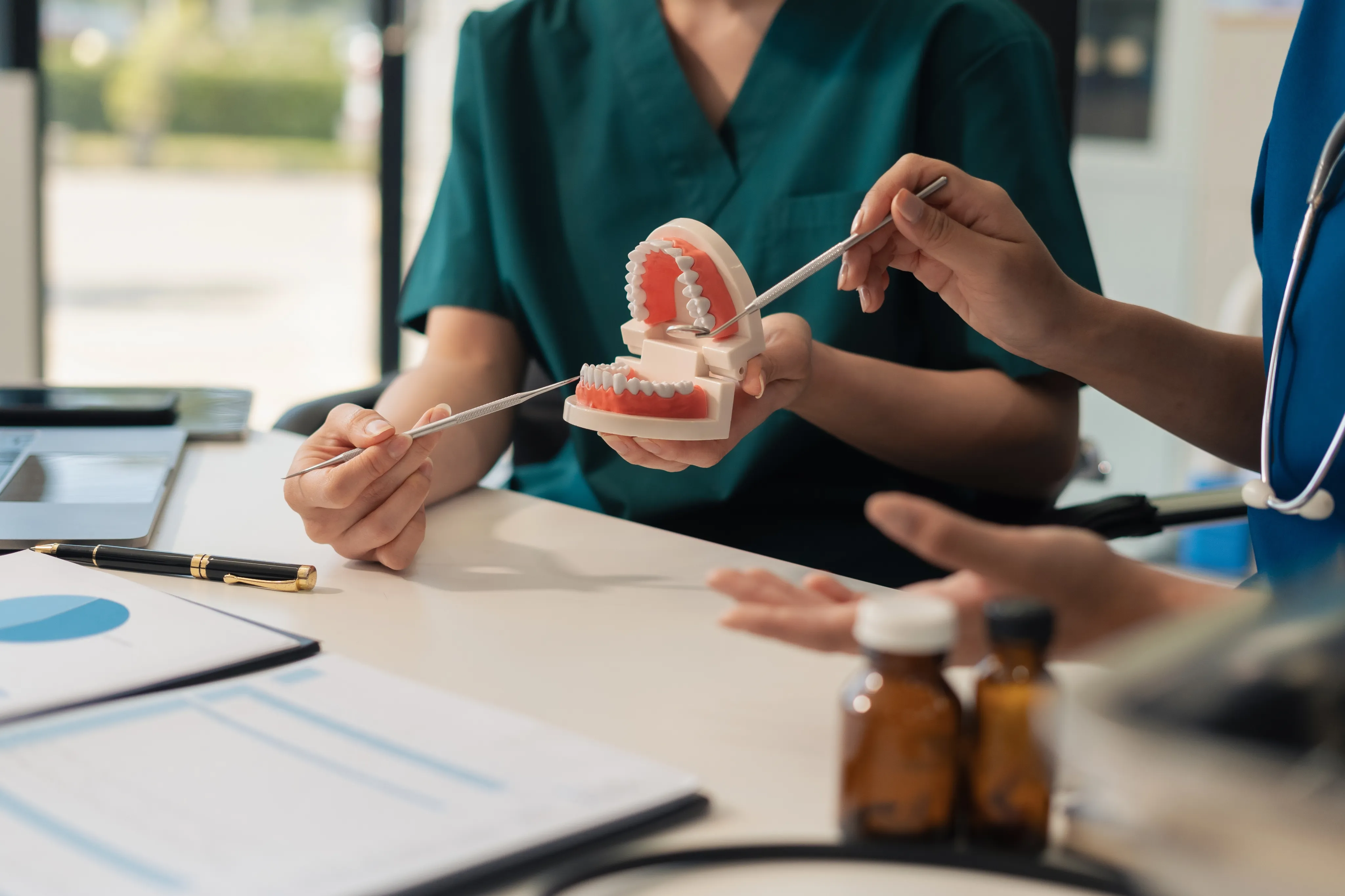
Preventive dentistry in Memphis, Tennessee, focuses on keeping teeth and gums healthy so problems are less likely to develop. Regular checkups, professional cleanings, and simple protective treatments reduce the risk of cavities, gum disease, and emergencies. This page outlines what preventive care includes, why it matters, how visits usually proceed, and what you can do at home to support long-term oral health.
Preventive Dentistry Explained
Preventive dentistry is a coordinated plan of routine exams and cleanings, early detection, and protective services designed to avoid disease before it starts. Care often includes dental sealants, fluoride treatment, cavity risk assessment, oral cancer screening, and guidance on at-home brushing and flossing habits. For patients in Memphis, Tennessee, these steps help limit the need for more complex procedures later.
At typical six-month visits, our dentist evaluates teeth, gums, and bite, checks previous restorations, and recommends X-rays only when needed. If areas of concern are found, early and conservative treatment is prioritized.
How Preventive Care Can Help You
- Lower risk of tooth decay and gum disease through routine cleanings and personalized home care coaching.
- Early detection of issues such as enamel wear, cracks, or infection when they are easier to treat.
- Fresh breath and healthier gums by removing plaque and tartar that brushing alone cannot clear.
- Added protection with dental sealants and fluoride treatment, which strengthen enamel and shield deep grooves.
- Monitoring for oral cancer and other systemic health links for timely referral if needed.
- Fewer urgent visits and lower long-term costs by preventing problems rather than repairing them.
How Preventive Dentistry Works
Core Services You May Receive
- Comprehensive exam: A head, neck, and oral exam screens for cavities, gum disease, bite issues, and oral cancer.
- Professional cleaning: Plaque and tartar are gently removed above and below the gumline, followed by polishing and flossing.
- X-rays as needed: Bitewings or other images help reveal decay between teeth, bone levels, or infections not visible clinically.
- Fluoride treatment: A varnish or gel supports remineralization and helps prevent sensitivity and decay.
- Dental sealants: A thin coating seals the pits and grooves of back teeth, where brushing can miss bacteria.
- Periodontal evaluation: Measurements of gum pockets track gum health and guide any needed deep cleaning or maintenance.
- Custom guidance: Home care, nutrition, and habit counseling (like nightguard or sports mouthguard use) tailored to your risks.
Your Preventive Care Experience
Most checkups take about an hour. After a review of medical history and goals, the cleaning removes plaque and tartar, then teeth are polished. If fluoride is placed, eating and drinking may be delayed briefly. Some patients notice mild, short-lived sensitivity after a thorough cleaning, which usually improves within a day.
How often should you get a dental checkup? Twice per year is common, but some individuals benefit from visits every three to four months, especially if they have a history of gum disease, dry mouth, or frequent cavities. Children, teens, adults, and seniors can all benefit from preventive dentistry, and sealants are helpful for many adults with deep grooves as well as for children.
Between visits, daily brushing with fluoride toothpaste, cleaning between teeth, and limiting frequent sugar exposure support healthy enamel. Staying consistent is one of the most important benefits of preventive dentistry because risk increases when care is delayed.