
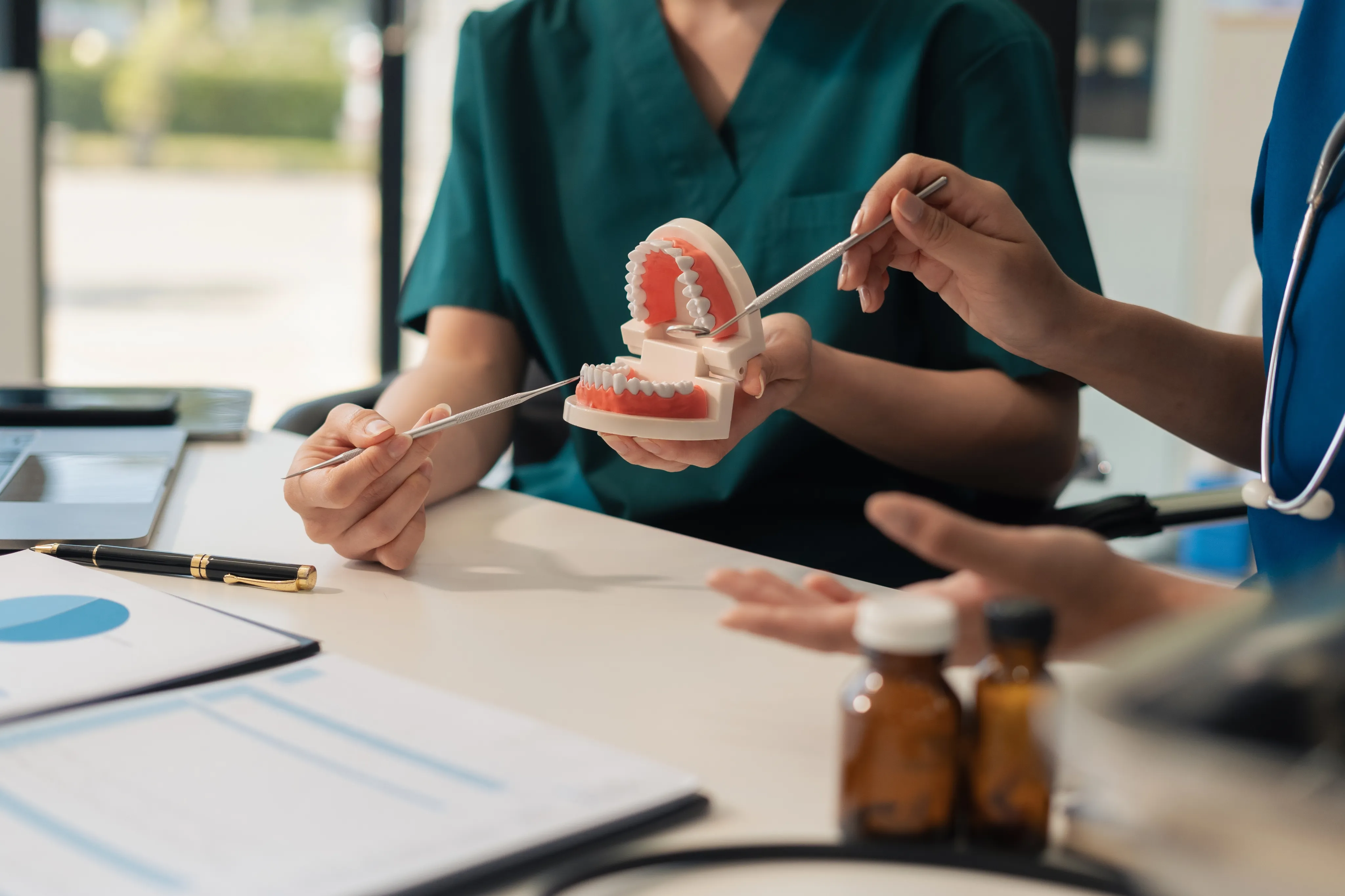
Laser dentistry in Memphis, Tennessee, uses focused light energy to perform many procedures with precision and comfort. Patients often ask what lasers can treat, how they work, and whether they are safe. This page outlines common uses, benefits, and what to expect so you can make informed choices before scheduling care.
Laser Dentistry Explained
Dental lasers convert light into a concentrated beam that interacts with teeth and gums. Different wavelengths target different tissues. Soft tissue lasers are used for gum contouring, periodontal therapy, and frenectomies. Hard tissue lasers can assist with cavity detection and selective removal of decayed enamel and dentin. Some lasers also support low-level therapy for mouth sores by easing irritation.
Because the beam is focused, it can remove, reshape, or disinfect tissue with high accuracy. This often means less bleeding, less swelling, and less need for sutures. For many patients, lasers reduce the need for numbing and lessen the vibration and heat sometimes felt with a traditional dental drill.
Benefits of Laser Dentistry
- Less discomfort during and after many procedures.
- Minimal bleeding and swelling due to precise tissue interaction.
- Fewer sutures and a lower chance of infection in soft tissue care.
- Conservative treatment that preserves more healthy tooth structure.
- Reduced need for local anesthesia in select cases.
- Quieter experience without the sound and vibration of a drill.
- Faster healing times for many soft tissue treatments.
- Enhanced visibility for our dentist, which supports accuracy.
How Laser Dentistry Works
The appointment begins with an exam and discussion of goals, symptoms, and medical history. Protective eyewear is placed for everyone in the room. Depending on the procedure and your comfort level, local anesthesia may or may not be used. The laser is then applied to the area using settings tailored to the tissue type and the clinical task. Suction keeps the site clear, and the area is checked frequently to ensure proper progress. Most visits end with simple aftercare instructions and, if needed, a short follow-up.
What to Expect Before and After Treatment
Before treatment, expect a review of options, including when a traditional instrument may be better than a laser. Lasers are effective for many tasks, but deep decay, large fillings, and certain crown or bridge steps may still require conventional tools. If you take medications that affect healing or make you light sensitive, be sure to share that information.
After treatment, mild tenderness is possible, especially for gum procedures. Most patients return to routine the same day. Soft foods, gentle brushing near treated areas, and a saltwater rinse may be recommended. Healing times vary by procedure, but soft tissues often feel better within a few days. Call if you notice persistent bleeding, increasing pain, or fever.
Candidacy, Safety, and Limits
When used by a trained clinician with proper settings and protective eyewear, dental lasers are considered safe for adults and children. They are helpful for gum disease therapy, tongue-tie release, biopsy of small lesions, and selective decay removal. However, lasers do not replace every instrument. Very large cavities, certain root canal steps, and complex restorative work may still rely on other methods. An exam determines whether laser dentistry, a traditional approach, or a combination is best for your needs.