
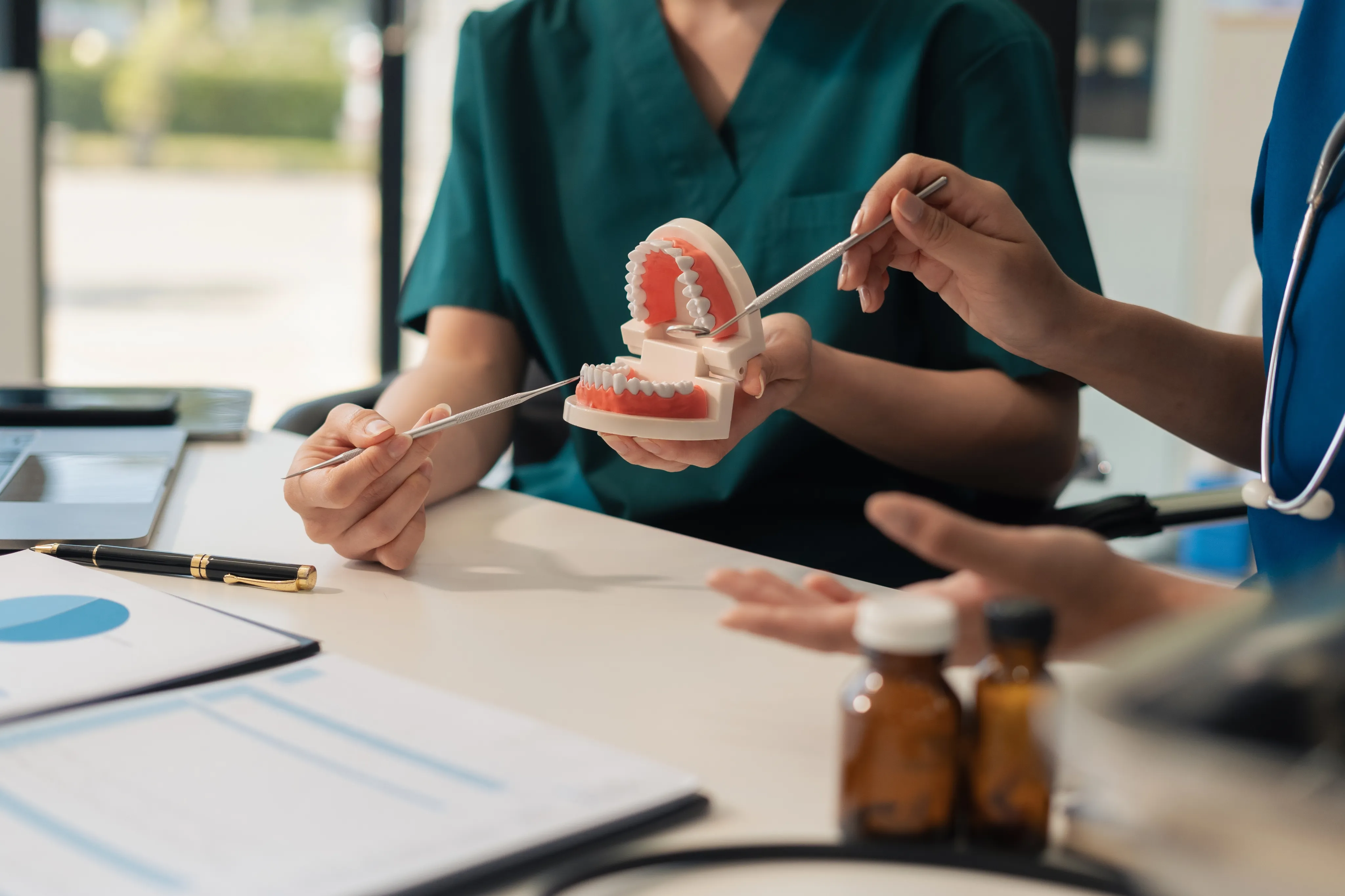
Our patients depend on proven oral hygiene practices to sustain long-term dental health. This guide illuminates the synergy between daily routines and regular dental checkups, the components of professional cleanings, and actionable strategies to ward off cavities and gum disease. Whether you're launching a new oral care routine or perfecting an existing one, these insights aim to foster a brighter and healthier smile.
Oral Hygiene Explained
Oral hygiene in Memphis, Tennessee, involves both daily and professional actions to manage plaque – a soft, bacterial film that forms on teeth and along the gumline. If not eliminated, plaque solidifies into tartar, fostering conditions like tooth decay, gingivitis, and periodontitis. An effective routine integrates thorough brushing and flossing at home and periodic dental cleanings to remove unreachable buildup. Prioritizing prevention minimizes the need for future treatments and promotes fresh breath and comfort.
Benefits of Consistent Oral Hygiene
- Reduced incidence of cavities through regular plaque and food debris removal.
- Lowered risk of gum disease by interrupting bacteria beneath the gumline.
- Improved breath by controlling odor-causing bacteria.
- Enhanced tooth appearance by preventing surface stains and tartar.
- Promotion of overall health, as poor gums correlate with systemic issues.
- More comfortable dental appointments with less buildup.
How Daily And Professional Care Work Together
At-Home Routine
- Brush twice daily for two minutes with a soft-bristled manual or electric toothbrush.
- Use fluoride toothpaste to strengthen enamel and combat decay.
- Clean between teeth once daily using floss, interdental brushes, or a water flosser to access areas beyond the brush's reach.
- Rinse strategically with a fluoride or alcohol-free mouthwash if included in your plan.
- Be mindful of your diet by reducing frequent snacking and intake of sugary or acidic beverages.
In-Office Prevention
Professional cleanings eliminate tartar that clings to teeth. Most individuals benefit from six-month intervals, but those with gum disease, dry mouth, or orthodontic devices might require a more personalized schedule. These cleanings involve scaling to remove deposits, polishing for enamel smoothness, and topical fluoride application. Regular exams and X-rays identify issues like early decay and bone loss before they escalate.
Your Visit: What To Expect
At a preventive appointment in Memphis, TN, the dental team reviews your health history and oral questions, assesses gum health, records periodontal measures, and screens for oral cancer. A hygienist removes above- and below-gumline plaque and tartar, polishes your teeth, and offers personalized home-care advice. If essential, X-rays are taken to evaluate unseen areas. You'll receive follow-up steps and a suggested next visit timeframe.
Before And After Care Tips
- Arrive with brushed and flossed teeth so any concerns are identifiable.
- Discuss any sensitivity, bleeding, or recent changes in medications or health.
- Anticipate temporary tenderness from substantial tartar removal.
- Avoid staining foods and drinks post-polishing or fluoride treatment.
- Utilize desensitizing toothpaste if needed to alleviate post-cleaning sensitivity.